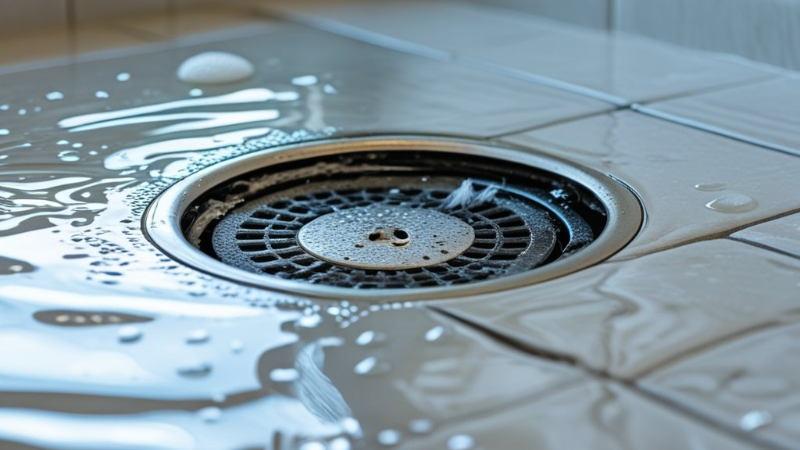
How to Fix a Clogged Shower Drain Quickly and Easily
When your shower drain gets clogged, it can quickly turn a simple routine into a frustrating hassle.
The most effective way to fix a clogged shower drain is to remove the blockage using simple tools like a plunger or drain snake. Afterward, clean the drain with baking soda and vinegar or a mild drain cleaner.
This method clears hair, soap scum, and debris without using harsh chemicals.
If you’re in Barrie, Orillia, and Newmarket, Harris Plumbing offers expert advice based on over 51 years of experience. Knowing a few easy steps to clear clogs on your own can save you time and prevent small issues from turning into costly repairs.
Keep reading to learn how to tackle your clogged drain safely and effectively.
Common Causes of Clogged Shower Drains
Clogged shower drains usually happen because of a few specific things that block water flow.
Knowing what causes the blockage helps you fix it right away and stop it from happening again.
Hair Buildup
Hair is the most common cause of shower drain clogs.
When you shower, loose hair falls into the drain and collects over time, creating a thick mat that blocks water.
This hair often mixes with soap and skin oils, sticking to the drain walls and trapping more hair.
You might notice slow draining or water pooling around your feet.
To prevent hair buildup, use a drain cover or strainer.
Removing visible hair after each shower can help.
Soap Scum Accumulation
Soap scum forms when soap mixes with minerals in your water, creating a sticky residue.
This residue sticks to the inside of your shower drain pipes and traps dirt, hair, and other debris.
Soap scum buildup narrows the pipes and slows down drainage.
Over months, it hardens and becomes difficult to remove with just water or simple cleaners.
You can reduce soap scum by using a soap that rinses off easily or liquid cleansers instead of bar soap.
Regular cleaning of the drain area can stop the buildup before it becomes a clog.
Hard Water Deposits
If your water has high mineral content, hard water deposits can clog your drain.
Minerals like calcium and magnesium build up inside pipes, forming thick layers.
These deposits reduce pipe diameter and slow drainage.
You may notice white or chalky residue around your drain as a sign of hard water buildup.
Using water softeners or filters can help prevent these mineral deposits.
If hard water buildup causes issues, a licensed plumber from Harris Plumbing can inspect and clean your pipes.
Safety Precautions and Preparation
Before you start fixing a clogged shower drain, gather your supplies and protect yourself.
Having the right tools and wearing the right gear will make the job safer and easier.
Gathering Necessary Supplies
Make sure you have all the tools before you begin.
You will need a plunger, a drain snake or auger, a bucket, rubber gloves, and possibly a screwdriver to remove the drain cover.
If you choose to use chemical drain cleaners, pick one that is safe for your plumbing and follow the instructions carefully.
A flashlight helps you see inside the drain.
If hair or soap scum is the cause, a wire hanger or a small brush might be useful.
Preparing your supplies in advance saves time.
Protective Gear Recommendations
Wear rubber gloves to keep your hands clean and protect against germs and chemicals.
Shower drains often contain bacteria, so gloves reduce the chance of infection.
If you use chemical cleaners, consider wearing eye protection to prevent accidental splashes.
Wear old clothes or an apron to avoid stains.
Open a window or run a fan for ventilation if you use cleaners.
Taking these safety steps helps you work confidently and safely.
Quick and Easy Methods to Unclog a Shower Drain
You can tackle a clogged shower drain with simple tools and a little effort.
Two common ways are removing debris by hand and using a plunger to clear blockages.
Manual Removal of Debris
Start by removing the drain cover carefully.
You might need a screwdriver or pliers, depending on the type of cover.
Use a flashlight to look inside.
Hair and soap scum often cause most clogs.
Try pulling out the debris with your fingers or a wire hanger shaped into a hook.
Wear gloves for hygiene and safety.
Once you remove the clog, flush the drain with hot water to clear any leftover residue.
If this method works, it saves you from using chemicals.
Using a Plunger
A plunger can help push the blockage through the pipes.
Make sure there is some water in the shower to cover the plunger’s cup.
Place the plunger over the drain and push down firmly, then pull up quickly without breaking the seal.
Repeat this motion 10-15 times.
If the water drains faster, the clog is loosening.
After plunging, flush the drain with hot water to help clear the pipes.
If these steps don’t work, Harris Plumbing provides expert clogged drain services across Barrie, Orillia, Newmarket, and nearby areas.
Licensed plumbers can handle tougher blockages safely and quickly.
Using At-Home Solutions to Fix a Clogged Drain
Clearing a clogged shower drain often starts with simple steps you can do at home.
These methods use common kitchen ingredients or hot water to loosen and flush away the blockage.
Both approaches are safe and avoid harsh chemicals.
Hot Water Flush
A hot water flush helps break down soap scum, grease, and hair buildup inside your drain.
Boil a kettle of water and carefully pour it into the clogged shower drain in stages.
Wait a few minutes between pours to let the heat work on softening the clog.
Repeat this process two or three times if needed.
The hot water can loosen minor blockages, making it easier for them to flow down the pipes.
Be careful when handling hot water to avoid burns.
If your drain still feels slow after flushing, try another method or contact a licensed plumber.
Baking Soda and Vinegar Method
Using baking soda and vinegar is a natural, eco-friendly way to clear clogged drains.
Pour half a cup of baking soda directly into the shower drain.
Let it sit for a minute or two.
Next, slowly pour half a cup of white vinegar into the drain.
The mixture will fizz and bubble, which helps break down debris and hair clogs inside the pipes.
Cover the drain with a plug or cloth to keep the reaction inside the pipe.
After about 15 minutes, flush the drain with a kettle of hot water to rinse everything away.
This method can clear mild blockages and deodorize your drain.
If the clog is stubborn, repeat the process once or twice.
How to Use Plumbing Tools for Stubborn Clogs
When a clog won't clear with simple methods, using the right plumbing tools can get the drain flowing again.
Tools like a drain snake and properly removing the drain cover are key steps to tackle tough blockages.
Snaking the Drain
Insert the end of a drain snake into the drain opening.
Slowly push it deeper while turning the handle clockwise.
This helps the snake move around bends and grab debris.
When you feel resistance, you’ve likely hit the clog.
Keep turning the snake to break it up or hook it.
After a few turns, pull the snake out carefully, removing any hair or gunk stuck to it.
Repeat the process several times if needed to fully clear the clog.
Always clean the snake after use.
Removing and Cleaning the Drain Cover
First, remove the drain cover carefully using a screwdriver if it’s held by screws.
Some covers just twist off or pop out, so check what type you have before forcing it.
Once the cover is removed, clean off any visible hair and residue.
Use gloves or a wire hook to pull out trapped debris.
Soak the cover in warm, soapy water while you work on the drain.
After cleaning, dry and replace it securely.
A clean drain cover improves water flow and keeps your shower drain running smoothly.
Preventive Tips to Avoid Future Clogs
Taking simple steps can stop hair, soap scum, and debris from building up in your shower drain.
You will learn how to add protection and keep up regular cleaning to keep water flowing smoothly.
Installing Drain Screens
A drain screen is a small, mesh cover that fits over the drain opening.
It catches hair and larger particles before they go down the drain.
Installing one is easy and affordable.
Make sure the screen fits snugly and is made of rust-resistant material.
Metal screens usually last longer than plastic ones.
Clean the screen regularly by removing trapped hair and rinsing it off.
This prevents clogging at the source and saves you from harsh chemicals or costly repairs later.
Routine Cleaning Habits
Regular maintenance helps stop build-up inside your pipes.
Try using a mixture of hot water and vinegar once a week.
Pour it down the drain, let it sit for 10-15 minutes, then flush with hot water.
Avoid pouring grease, oils, or thick soaps into the drain.
These substances stick to pipe walls and cause clogs.
If you notice water draining slowly, act fast.
Use a plunger or call a professional plumber like Harris Plumbing to fix small problems.
Keeping your shower drain clean and clear takes just a few minutes monthly but protects your plumbing for years.
When to Call a Professional Plumber
If you've tried basic methods and your shower drain is still clogged, call a professional.
Persistent slow drainage or water backup can signal a deeper problem.
You should also reach out if you notice foul smells coming from the drain.
This could mean there is a blockage you can't see or damage to your pipes.
Avoid using harsh chemicals if the clog won't clear.
These can harm your pipes and the environment.
Professional plumbers like those at Harris Plumbing have the right tools and knowledge to fix tough clogs safely.
They can also check for issues like tree root intrusion or pipe damage.
If your home is in Barrie, Orillia, and Newmarket, a licensed plumber from Harris Plumbing can help quickly.
Calling early can prevent bigger plumbing problems later.
Here are some signs you should call a plumber:
- Water overflowing from the drain
- Multiple drains clogging at once
- Gurgling sounds when water flows
- Foul odours around shower area
Getting expert help gives you peace of mind.
Licensed pros ensure the problem is fixed right the first time, protecting your plumbing system in the long run.
Eco-Friendly Solutions for Clogged Shower Drains
If you want to clear a clogged shower drain without harming the environment, try simple methods with natural ingredients.
Start by pouring boiling water slowly down the drain.
This can help dissolve soap scum and loosen grime.
Be careful not to splash yourself.
Next, try a mix of baking soda and vinegar.
Pour half a cup of baking soda into the drain, then half a cup of white vinegar.
Let it fizz for 15 minutes.
After that, flush it with hot water to clear the loosened debris.
You can also use a drain snake or a simple drain brush to physically remove hair and buildup.
These tools work without any chemicals and are reusable.
Here’s a quick table of eco-friendly options:
| Method | What You Need | How It Works |
|---|---|---|
| Boiling Water | Kettle of boiling water | Melts soap and loosens dirt |
| Baking Soda & Vinegar | Baking soda, vinegar | Fizzes to break down clogs |
| Drain Snake | Drain snake tool | Pulls out hair and debris |
If your drain stays clogged despite these methods, reach out to a professional.
Harris Plumbing offers expert service in Barrie, Orillia, and Newmarket.
Their licensed journeymen can solve stubborn clogs safely and keep your plumbing healthy.
Frequently Asked Questions
Clogged shower drains are common, and you can often clear them using household items or simple tools. Knowing the right steps helps you fix the problem quickly.
What are the best home remedies for unclogging a shower drain?
Baking soda and vinegar work well together to break down grime. Pour half a cup of baking soda into the drain, then add half a cup of vinegar.
Wait 15-30 minutes. Flush the drain with hot water.
Salt and boiling water can also help clear minor clogs. Avoid pouring chemical cleaners, as they can damage your pipes.
How do you use a drain snake to clear a clogged shower?
Insert the drain snake slowly until you feel resistance. Turn the handle clockwise to catch hair or debris.
Pull the snake out carefully, removing the clog. Repeat if needed until water flows freely.
Can standing water in a shower drain be fixed without calling a plumber?
Standing water often means a partial clog. Remove the drain cover and clean out visible hair and soap buildup.
Try using a plunger gently to push the clog through. If water still doesn’t drain, the clog could be deeper.
What tools are recommended for DIY shower drain unclogging?
A plunger, drain snake, and a drain cover remover are the most useful tools. Wear gloves to keep your hands clean.
A wire hanger shaped into a hook can also help pull out hair.
Is it possible to unclog a shower drain filled with hair without professional help?
You can remove hair clogs by hand after lifting the drain cover. Use a drain snake or a bent wire hanger to pull out the hair.
Be patient and thorough. If the problem continues, contact a licensed plumber for help.
How can I unclog my shower drain if I don't have any specialized tools?
Start by removing the drain cover with a screwdriver or by hand.
Use household items like baking soda and vinegar to loosen the clog.
If you see hair near the surface, use your fingers or tweezers to pull it out carefully.
Repeat if necessary.