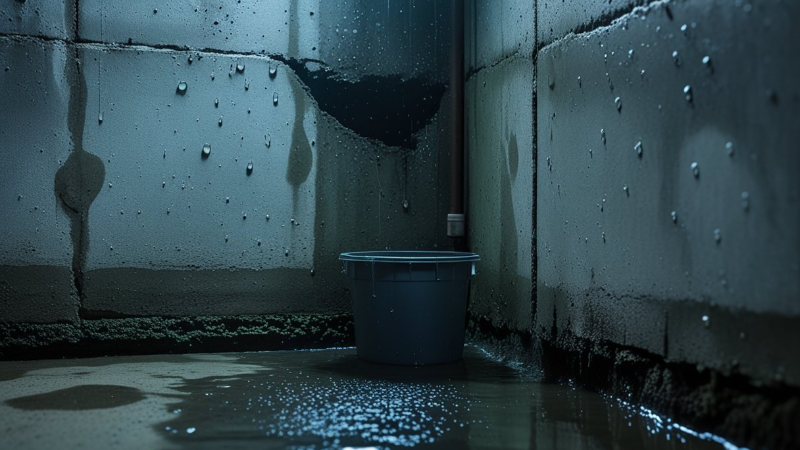
Tips for Preventing Basement Moisture Buildup to Keep Your Home Dry and Cozy
Basement moisture is a headache for a lot of homeowners. It can bring on mould, weird smells, and even mess up your stuff or the house itself. The real trick is to keep water away from your foundation and get air moving down there. That’s what keeps things dry and livable.
First things first—check those gutters and downspouts. Make sure water isn’t pooling right next to your walls. If you’re in Barrie, Orillia, or nearby areas in Simcoe County or Muskoka, a sump pump can be a real lifesaver, pumping out water before it seeps into your basement. Harris Plumbing has handled countless sump pump installations and repairs for local homes, keeping properties safe and dry year-round.
Don’t ignore little cracks in your basement walls or floor. Seal them up, and grab a dehumidifier if things start feeling muggy. A few simple moves and the right gear can save you a pile of money and hassle.
Understanding Basement Moisture Sources
Basement moisture comes from all sorts of places. If you figure out where it’s coming from—inside or outside—you’ve got a much better shot at stopping it before it ruins your day.
External Water Intrusion
Water from outside is a big culprit. Rain, melting snow, or even high groundwater will find its way in if your drainage isn’t up to snuff.
If your yard slopes toward the house, or your gutters and downspouts aren’t doing their job, water’s going to pool right where you don’t want it. Sump pumps that are clogged or busted won’t help either.
Walk around your place—does the soil slope away from the foundation? Clean the gutters. Harris Plumbing gets a lot of calls in York Region for sump pump fixes, and honestly, they’re worth every penny if you’re dealing with a wet basement.
Internal Humidity Causes
Sometimes, the basement feels damp even if there’s no leak. Stuff like cooking, laundry, or just poor air movement can make the air heavy and sticky.
Warm, humid air hits those chilly basement walls and—bam—water droplets. That’s bad news for mould and wood. When air can’t circulate, it just gets worse.
A dehumidifier or some decent vents can help a lot. Run exhaust fans when you’re showering or doing laundry. Even just leaving the basement door open helps air move around.
Structural Leaks
Cracks or holes in the foundation or walls let water seep in straight from outside. Over time, these leaks get worse and can cause significant moisture buildup.
Foundation cracks usually pop up because soil shifts or materials get old. Window wells that aren’t sealed right can collect water, and leaking pipes inside the walls don’t help either.
Take a walk around and check for cracks or leaks. Fix them early. If you’re not sure, call in pros like Harris Plumbing in Barrie, Orillia, or nearby areas—they’ll spot things you might miss.
Condensation Issues
Condensation happens when warm, humid air hits cold basement surfaces—pipes, walls, you name it. It’s especially common when it’s chilly outside.
This kind of moisture sneaks up on you. Suddenly, you’ve got mould spots or peeling paint. If your pipes or basement walls aren’t insulated, it gets worse.
Wrap those pipes and seal up the walls if you can. A little heat or a dehumidifier goes a long way. Catching condensation early keeps bigger issues from popping up.
Effective Basement Waterproofing Methods
If you want to keep your basement dry, you’ve got to block water from both inside and outside. It’s about steering water away and sealing up the spots where moisture sneaks in.
Exterior Waterproof Coatings
Exterior waterproof coatings are thick layers you slap on the outside of your basement walls. They stop water from getting through cracks or porous concrete. When they go on right, they’re a solid shield against rain and wet soil.
Clean and dry those walls first—no shortcuts. The coating sticks best to smooth, dirt-free surfaces. Pair these coatings with decent drainage or you’ll just trap water against the house.
Interior Sealants
Interior sealants go inside. They’re things like waterproof paint, epoxy, or gels that fill cracks and keep dampness from seeping through.
These work best if you’re also running fans or a dehumidifier to keep condensation down. They aren’t as tough as exterior coatings, but they’re a handy backup.
Drainage Systems
Drainage systems move water away before it turns into a problem. Think French drains outside, or sump pumps inside.
French drains collect water underground and steer it away from the house. Sump pumps sit in a pit and kick in when water starts to collect. For places like Barrie, Orillia, or nearby areas, a good sump pump from a pro like Harris Plumbing can be the difference between a dry basement and a soggy mess. Don’t forget to check these systems now and then to make sure they’re still working.
Improving Basement Ventilation
Getting air moving in your basement keeps moisture levels down. Fans, dehumidifiers, and even opening windows help. Each one plays its part in fighting dampness and mould.
Installing Vent Fans
Vent fans push moist air out and pull in fresh stuff. They’re handy if your basement is mostly underground or doesn’t have many windows. Put exhaust fans near places that get damp—laundry or by the sump pump.
Pick a fan that can swap out the air every hour or two. Look for models made for damp spots—they’ll last longer. If you want it done right, Harris Plumbing can install and vent it properly so you don’t end up with leaks or weird drafts.
Let those fans run regularly. Use timers if you don’t want to think about it.
Using Dehumidifiers
Dehumidifiers pull water out of the air and stash it in a tank. That keeps the basement from getting musty or mouldy. Make sure you get one that’s big enough for your space.
Empty the tank often, or hook up a hose to a drain so it empties on its own. Some models have humidistats so you can keep things steady—usually between 30-50% is the sweet spot.
Stick the dehumidifier in corners or wherever you notice dampness. Run it more often during wet months. Harris Plumbing suggests using dehumidifiers alongside good ventilation for the best shot at a dry basement.
Opening Windows Strategically
If you’ve got windows, use them! Open windows on opposite sides to get a cross breeze going. That’ll push out stale, damp air and bring in some fresh.
Don’t open windows during or right after rain—no need to invite more moisture in. Wait for dry, breezy days. If your basement connects to upper levels, crack those windows too; warm air rises and can escape up top.
Screens help keep bugs out while letting air in. But let’s be real—windows alone won’t cut it in a really damp basement. You’ll still want fans and dehumidifiers on your side.
Maintaining Proper Gutter and Drainage Systems
Keeping water away from your basement starts with your roof and yard. Clean gutters, long downspouts, and sloped soil all help keep water from sneaking in.
Cleaning Gutters Regularly
Check gutters at least twice a year. Leaves and gunk block water, and then it spills over and pools by your foundation.
Grab a ladder and gloves, scoop out the mess, and run some water through to make sure it drains right. Spot any holes or rust? Patch them up or swap out the bad sections.
Clogged gutters are a fast track to basement leaks. Keeping them clear saves you from bigger headaches later.
Extending Downspouts
Downspouts should send water at least 1.8 metres (6 feet) away from your house. If they’re too short, add extensions or splash blocks to guide water onto a slope or gravel patch.
Don’t let water dump out onto flat ground or by flower beds—it’ll just seep back toward your basement. Long downspouts matter even more if you get a lot of rain or snowmelt. Harris Plumbing always says to keep them clear and securely attached for the best results.
Grading the Landscape
Your yard needs to slope away from the house—at least a 2% grade (about 2.5 cm per metre). That way, water naturally moves away instead of pooling by your foundation.
Use a level to check the slope. If water pools or the ground tilts toward the house, add soil to build it up. Good grading works with your gutters and downspouts to keep water moving the right way. Without it, even perfect gutters won’t save you from a wet basement.
Managing Interior Basement Moisture
Keeping moisture in check inside the basement helps stop mold, mildew, and other surprises. Lowering indoor humidity and cutting back on things that add water to the air makes a real difference.
Controlling Indoor Humidity
Basements tend to be humid since cool air can’t hold as much moisture. Run a dehumidifier and try to keep humidity between 30% and 50%. That’s usually enough to stop condensation and keep mold away.
Ventilate well—open windows or use exhaust fans to push damp air out. Don’t block vents or air bricks meant for airflow.
Fix plumbing leaks as soon as you spot them. Even small drips add up fast.
Wrap cold water pipes to stop condensation from forming. That keeps surfaces dry and less likely to grow mould.
Limiting Moisture-Producing Activities
Some stuff just adds too much moisture. Watch out for:
- Drying laundry indoors: Use a vented dryer or dry things upstairs.
- Humidifiers: Keep them low or skip them in the basement.
- Indoor plants: Don’t go overboard—damp soil adds moisture.
- Cooking or boiling water nearby: Use lids and fans to keep steam down.
Keep basement floors and walls dry and clean. Harris Plumbing suggests regular checks for sneaky leaks and making sure your sump pump works. A little prevention keeps your basement healthy.
Inspecting and Repairing Basement Structures
To keep moisture out, check and fix the spots where water can get in. That means sealing up foundation cracks and making sure window wells aren’t letting water pile up.
Sealing Foundation Cracks
Look for cracks in the basement walls or foundation—big or small, they can all let water in. Use concrete crack filler or hydraulic cement, but make sure everything’s clean and dry first.
If cracks are big or keep coming back, it’s probably time to call in a pro. Catching these early stops water from wrecking insulation or wood. Harris Plumbing can help with detailed inspections and repairs.
Repairing Window Wells
Window wells are magnets for water, so keep them clear of leaves and junk. Check for cracks in the well walls and patch them up with waterproof concrete.
Add or fix window well covers to keep rain out—they also keep critters and debris away. Make sure the drains in the wells are clear and working. A bit of regular attention goes a long way toward keeping water out of your basement windows.
Routine Basement Maintenance Tips
Check your basement often for moisture. If you spot damp areas, smell something musty, or see mold, act fast. Catching these early can spare you headaches later.
Keep gutters and downspouts clear so water flows away from your foundation. When drainage is bad, water tends to pool near basement walls, which is just asking for trouble.
A dehumidifier helps a lot during humid months. It keeps the air drier and stops moisture from building up. Run it until you get the humidity below 50%—not everyone has a meter, but you can usually feel it.
Give your sump pump a check twice a year. Pour some water in the pit and see if it kicks on. Folks in Ontario—especially in Barrie or Muskoka—know a working sump pump is a must when the rain comes down.
Seal up any cracks in your basement walls or floor with waterproof sealant. Even small cracks can let water in, so don’t wait around to fix them.
If you keep finding moisture, Harris Plumbing suggests getting a professional inspection. Their licensed plumbers handle sump pump repair and basement waterproofing in Barrie, Orillia, or nearby areas.
Here’s a simple maintenance checklist:
| Task | Frequency |
|---|---|
| Check for damp spots | Monthly |
| Clean gutters | Twice a year |
| Test sump pump | Every 6 months |
| Run dehumidifier | Seasonal |
| Inspect wall cracks | Quarterly |
When to Seek Professional Help
Sometimes, no matter what you do, water keeps showing up in your basement. If you keep seeing puddles or damp patches, it’s probably time to call in a pro. Ongoing moisture can turn into mold, structural damage, or just plain bad air.
If your sump pump isn’t working right, or you don’t even have one and your basement floods every time it rains hard, don’t just cross your fingers. A licensed plumber can check things out, fix what’s wrong, or put in a new sump pump that fits your needs. Harris Plumbing handles these jobs all over the area.
You’ll also want expert help if you spot cracks in your foundation or can’t get rid of that musty smell. Sometimes you need special tools or repairs to really fix the problem and avoid bigger messes.
Here’s when you should pick up the phone:
- Regular basement flooding or standing water
- Sump pump problems or no sump pump at all
- Mold or mildew showing up on walls or floors
- Cracks in foundation or walls
- That stubborn damp smell that won’t leave
Harris Plumbing’s team knows Simcoe County and York Region well. They’ve dealt with rural and cottage plumbing enough to understand the quirks around here. Don’t wait too long—getting help early can save you money and a lot of stress.
Frequently Asked Questions
Basement moisture can sneak in from all sorts of places—bad drainage, high humidity, cold snaps. Figuring out what’s happening and tackling it can keep your basement dry and safe.
What are effective DIY solutions for reducing moisture in my basement?
Start by sealing any cracks with waterproof sealant. If you get flooding, a solid sump pump will help get rid of water fast.
Ventilate by opening windows or running fans to lower humidity. And check that gutters and downspouts move water away from your foundation.
How can I keep my basement dry during the winter months?
Keep tabs on humidity with a portable dehumidifier. Wrap cold water pipes to stop condensation from dripping everywhere.
Shovel snow and ice away from your foundation so it doesn’t melt and leak in. Harris Plumbing can help install or upgrade sump pumps if you need extra protection in winter.
Are there natural ways to absorb moisture in my basement without using a dehumidifier?
Absolutely—charcoal briquettes or silica gel packs soak up moisture. Some folks use bowls of baking soda or salt too.
A few houseplants, like Boston ferns or English ivy, can pull in some moisture. Just remember, they need some TLC.
What steps can I take to prevent moisture buildup in my basement during the summer?
Make sure gutters and downspouts are clear and actually sending water away from your house. Check your yard’s grading—water should flow away, not toward, the foundation.
Fans or AC units help keep humidity down. If you’re still having trouble, Harris Plumbing’s sump pump services can help keep things dry.
How can I eliminate moisture from my basement walls?
Try a waterproof coating on both the inside and outside of basement walls. Fix any leaky pipes or wall issues right away.
If you’re renovating, install a vapor barrier over walls and floors. Good drainage outside your home makes a big difference and keeps water from seeping in.
What are some permanent solutions to address a damp basement?
Putting in a good sump pump—ideally one with a battery backup—can really help for the long haul. You might also want to look into exterior waterproofing for your basement walls, since that tackles moisture before it even gets inside.
Tweaking your landscaping and making sure your foundation drainage works right will keep water from pooling up around the house. If you’re in Barrie, Orillia, and Newmarket and need a hand with any of this, you could reach out to experienced professionals like Harris Plumbing.